

Omega Planet Ocean Replica: The 600M Diver Built for Depth
Omega planet ocean replica watches sit in a strange spot. Most people buy the Seamaster 300M because it’s the safe choice — Bond wore it, everyone knows it, done. But the Planet Ocean is the watch Omega actually built for serious water. Thicker case, higher pressure rating, bezel that could survive a hydraulic press. If the Seamaster 300M is a sports car, the Planet Ocean 600M is a rally truck. Same brand, completely different engineering philosophy. Let me walk you through what makes the clone version worth your attention.
Planet Ocean vs Seamaster 300M — Same Family, Different Animal
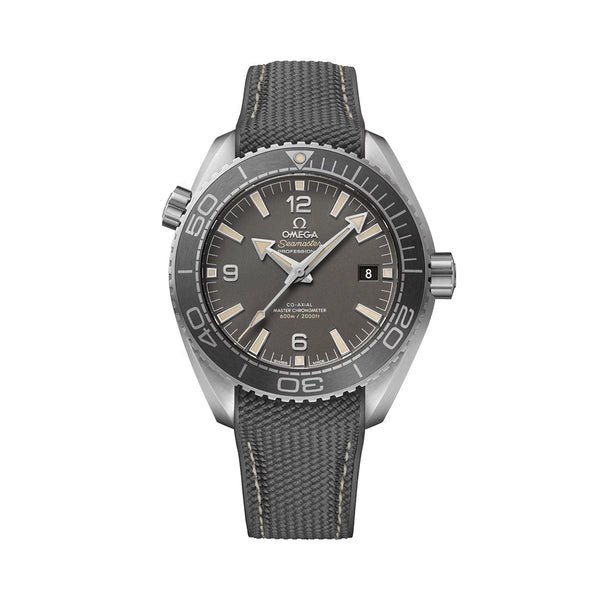
People confuse these two constantly. Both are Seamasters on paper — the full name is “Seamaster Planet Ocean.” But they’re engineered for different jobs. The Seamaster Diver 300M is a dressy diver. Thin enough for a suit cuff, light enough to forget it’s there, 300 meters of water resistance you’ll never actually use. The omega planet ocean replica targets a different buyer: the person who wants the chunky, tool-watch presence of a Rolex Sea-Dweller or a Blancpain Fifty Fathoms.
That 16mm+ thickness is the deal-breaker for most people. The Planet Ocean sits tall on the wrist. Under a dress shirt? Forget it. With a rubber strap and a wetsuit — perfection. This is a weekend warrior watch that commands attention precisely because it’s big and unapologetic.
In This Article
- Planet Ocean vs Seamaster 300M — Same Family, Different Animal
- Liquidmetal Bezel: The Planet Ocean Signature
- Cal.8900 Clone: The Twin-Barrel Advantage
- Color Variants and Which Clones Exist
- Bracelet vs Rubber: Daily Wearing Reality
- Water Resistance: What the Clone Actually Handles
- Generation 4 (2025): What Changed
- Planet Ocean vs Similar Dive Replicas
- QC Checklist: What to Verify Before Buying
- Who Should (and Shouldn’t) Buy the Planet Ocean Clone
- FAQ: Omega Planet Ocean Replica
Liquidmetal Bezel: The Planet Ocean Signature
This is what makes every omega planet ocean replica instantly recognizable. The genuine Planet Ocean uses a Liquidmetal (amorphous metal alloy) fill in the ceramic bezel markings. Regular ceramic bezels have paint-filled numbers. Liquidmetal is a zirconium-based alloy that bonds to the ceramic at a molecular level — it never chips, fades, or separates.
On the planet ocean 600m replica, factories face a specific challenge. Real Liquidmetal requires specialized equipment to pour at 800°C into ceramic molds. Clone factories use a silver-colored resin or polished metal inlay instead. The visual difference? Minimal at arm’s length. Under a loupe, genuine Liquidmetal has a subtle metallic grain that resin lacks. The best clone bezels use CNC-cut metal inserts that come remarkably close — about 90% of the genuine look.
Expert Note: Check the bezel alignment at 12 o’clock. On genuine Planet Oceans, the triangle marker sits perfectly centered above the pip. Cheap clones often have 0.5-1 degree of misalignment. Top clones nail this.
Cal.8900 Clone: The Twin-Barrel Advantage
While the Seamaster 300M runs on Cal.8800 (single barrel, 55h power reserve), the Planet Ocean uses Cal.8900 — Omega’s twin-barrel workhorse with 60 hours of power reserve and independent hour adjustment. That second barrel matters. It provides more consistent torque delivery, meaning better amplitude and accuracy across the full wind cycle.
The clone version is the DD8900. Built on the same platform as the DD8800 but with an added second mainspring barrel. The DD8900 achieves around 52 hours in real-world testing — short of the genuine 60h but still impressive for a clone. Amplitude stays above 280° for the first 40 hours, which keeps accuracy within ±8 seconds per day.
Independent hour adjustment works on the DD8900 clone. Pull the crown to position 1, and you can jump the hour hand forward without disturbing the minutes — essential for travelers who change time zones. This feature fails on cheaper Miyota-based Planet Ocean fakes because the Miyota 8215 doesn’t have a quickset hour function.
Color Variants and Which Clones Exist
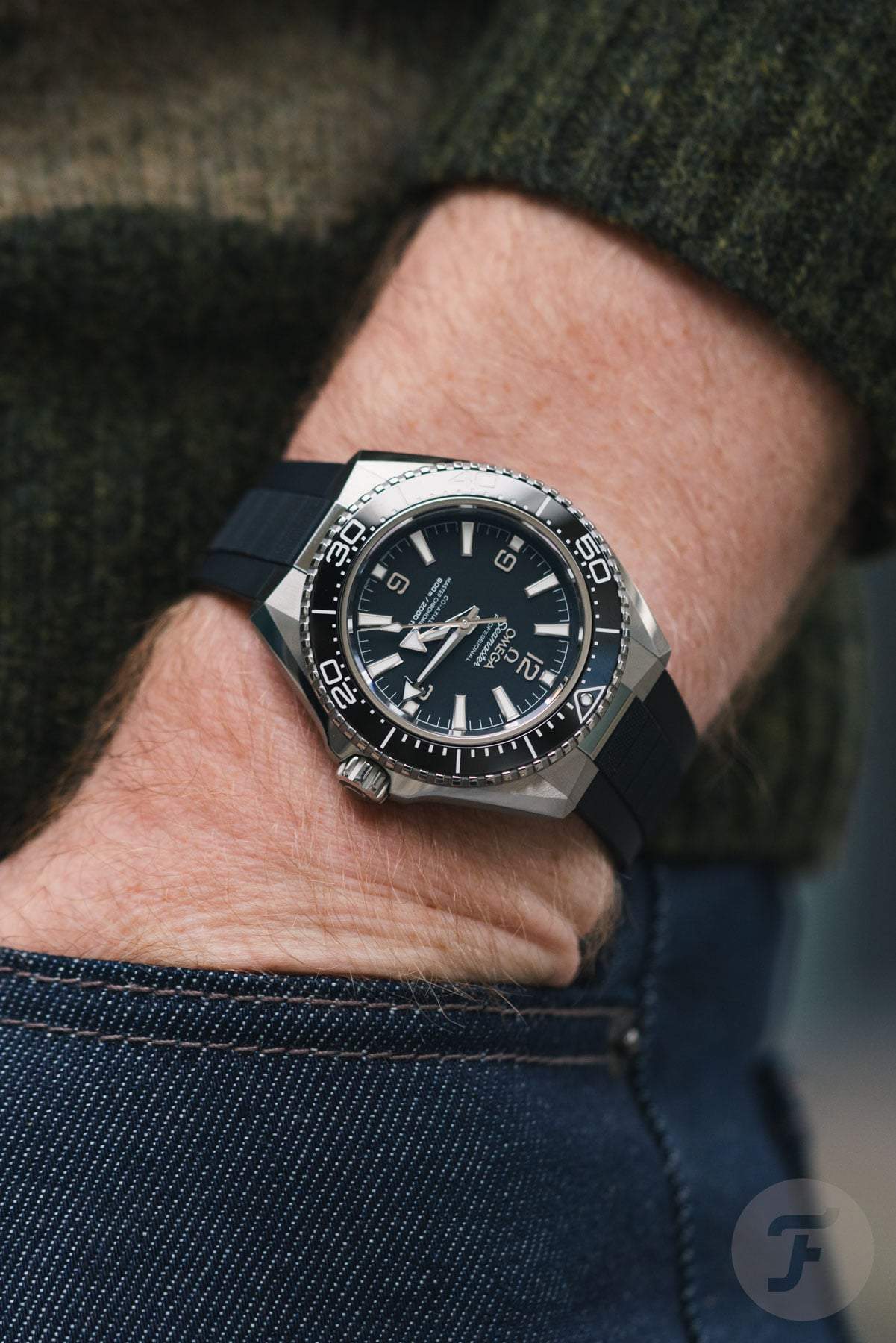
The Planet Ocean 600M comes in more color options than most people realize. Not every variant has a clone version, and clone quality varies between colors. Here’s the current rundown of planet ocean 600m replica options:
The black and blue variants are the safest choices. VSF has been refining these for years, and the current batches are exceptionally accurate. The orange bezel version is popular but slightly trickier — getting that exact orange-to-black gradient on the ceramic bezel insert requires precise pigment control. VSF and ORF both do it well, but there’s a slight shade variation between batches.
The titanium version deserves special mention. Genuine Planet Ocean titanium weighs about 138g — significantly lighter than steel. Clone titanium variants use actual grade 2 titanium for the case, which nails the weight. The matte grey finish is close to genuine, though factory QC photos show slight differences in the bead-blasting texture. Still a solid option if you want that featherweight feel on a 43.5mm case.
Bracelet vs Rubber: Daily Wearing Reality
The omega planet ocean replica comes on either the steel bracelet or the integrated rubber strap — and this choice fundamentally changes the wearing experience. On bracelet, the Planet Ocean is a wrist anchor. 195 grams of steel, thick and wide, commanding presence. Some love that weight. Others find it exhausting after four hours.
The rubber strap transforms it. Drop the weight to about 130g (case + strap), gain immediate comfort, and the watch suddenly looks sportier instead of dressy. The genuine Omega rubber strap has a micro-adjust deployant clasp — the clone version replicates this, though the clasp finish is slightly rougher on the brushed surfaces.
Wearing Tip: If you have a wrist under 7 inches (18cm), get the rubber strap. The bracelet adds lug-to-lug width that makes the 43.5mm case wear even bigger. Rubber hugs the wrist and reduces the visual footprint by about 15%.
Water Resistance: What the Clone Actually Handles
The genuine Planet Ocean is rated to 600 meters. That’s saturation diving territory. The omega planet ocean clone obviously doesn’t hit 600m — no clone does. But what matters is whether it survives everyday water exposure. And the answer depends entirely on the factory and assembly quality.
Top-tier Planet Ocean clones from VSF typically pass informal tests at 50-80 meters. The screw-down crown seals properly, the caseback gasket sits correctly, and the helium escape valve (while non-functional) doesn’t create a leak point. Swimming, snorkeling, showering — all fine. Actual scuba diving below 30 meters? I wouldn’t risk it. The caseback and crown seals aren’t tested to the same standards as genuine.
The key indicator is the screw-down crown feel. On a properly assembled clone, the crown should require 6-8 turns to fully seat and feel resistant in the last two turns as the gasket compresses. If the crown seats too easily or wobbles — that specific watch has water resistance issues regardless of what model it claims to be. Check the full collection for options across all depth ratings.
Generation 4 (2025): What Changed
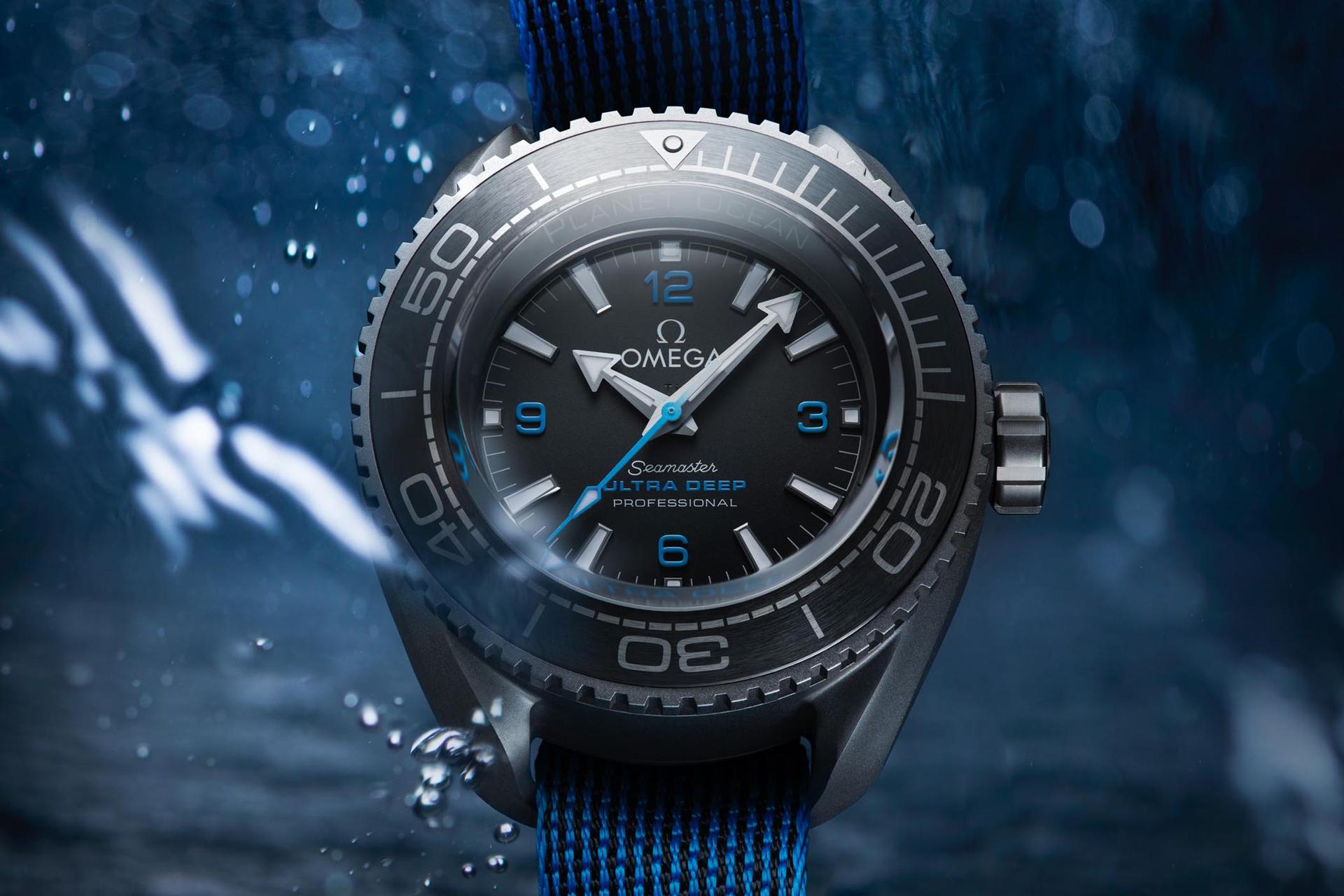
Omega quietly updated the Planet Ocean in 2025 with a thinner case design. The new generation shaves about 1.5mm off the thickness (now ~14.5mm), uses a redesigned caseback, and features the Cal.8900 with improved shock protection. The dial proportions shifted slightly too — larger hour markers, shorter minute track.
As of early 2026, no clone factory has released a Gen 4 Planet Ocean yet. Factories typically need 6-12 months after a genuine release to develop accurate clones. The existing Gen 3 clones remain the best option. When Gen 4 clones do arrive, expect VSF to lead — they’ve consistently been first to market with Planet Ocean updates.
Should you wait for Gen 4 clones? Only if the thickness bothers you. The Gen 3 planet ocean 600m replica is a mature product with well-known QC parameters. Gen 4 clones will need at least two production runs to reach the same quality level. Early adopter risk is real with new clone releases.
Planet Ocean vs Similar Dive Replicas
The omega planet ocean replica competes with several other chunky dive clones. How does it stack up?
The Planet Ocean holds its own. It’s thicker than the Sea-Dweller but has a more distinctive design language. The Liquidmetal bezel, the orange-accent option, and the Omega DNA make it stand apart from the Rolex crowd. For people who specifically want an Omega dive tool — not a Rolex, not a Tudor — nothing else fills that niche.
QC Checklist: What to Verify Before Buying
When ordering a seamaster planet ocean replica, request QC photos and check these specific points:
- Bezel alignment: Triangle at 12 must center perfectly on the pip. Even 1° of misalignment is unacceptable — ask for a replacement
- Liquidmetal fill: The silver inlay should be flush with the ceramic surface. Raised or sunken fills indicate poor assembly
- Crown screw-down: Ask the dealer to confirm the crown seats properly. Some batches have slightly oversized crown tubes that prevent full seating
- Date window alignment: Check dates 8, 18, and 28 in QC photos. These wider numbers reveal misalignment that single-digit dates hide
- Caseback seahorse: The hippocampus should have dimensional depth — flat printing means a bad batch
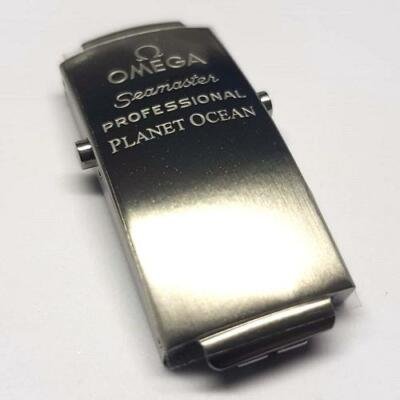
- Strap/bracelet: Confirm which option you’re getting. The rubber strap should have the omega planet ocean clone logo embossed on the deployant clasp
Insight: If the QC photos show poor Liquidmetal fill on the bezel, reject immediately. The bezel insert is specific to the Planet Ocean and cannot be swapped easily. On the Seamaster 300M, ceramic bezels are more standardized and easier to replace.
Who Should (and Shouldn’t) Buy the Planet Ocean Clone
Buy it if: You have wrists 7 inches (18cm) or larger. You prefer chunky, tool-watch aesthetics over dressy divers. You want a twin-barrel movement. You like the orange bezel option (no Seamaster 300M equivalent). You already own a Seamaster clone and want something different from the same brand.
Skip it if: Your wrist is under 6.5 inches — the 43.5mm case with 50mm+ lug-to-lug will overwhelm. You need a watch that slips under shirt cuffs. You prefer the Aqua Terra’s clean elegance over diver-tool bulk. Or if you simply don’t care about depth ratings and want the lighter, sleeker Seamaster 300M.
The planet ocean 600m replica is a specialist piece. It’s not trying to be everything to everyone. That’s exactly why the people who love it, really love it. The weight, the presence, the Liquidmetal bezel catching light — these details create a wearing experience that no other Omega delivers. If that resonates with you, it’s one of the strongest dive clones on the market right now.
FAQ: Omega Planet Ocean Replica
Is the Planet Ocean replica too big for small wrists?
At 43.5mm diameter and over 50mm lug-to-lug, yes — it’s a big watch. If your wrist is under 6.75 inches, the Planet Ocean will look oversized. The sweet spot is 7-8 inch wrists. For smaller wrists, the Seamaster 300M at 42mm is a much better fit and still delivers the Omega dive watch experience.
Can I take the Planet Ocean clone swimming?
Top-tier clones from VSF handle swimming and snorkeling fine. The screw-down crown and caseback gaskets provide 50-80m of real water resistance. Don’t go scuba diving with it, and always check that the crown is fully screwed down before water exposure. Rinse with fresh water after saltwater contact.
What’s the difference between the DD8800 and DD8900 clone movements?
The DD8900 has two mainspring barrels versus one in the DD8800. This gives slightly more power reserve (~52h vs ~48h) and more consistent torque. The DD8900 also has independent hour adjustment, which the DD8800 lacks. Read the full clone movement guide for detailed comparisons.
Is the titanium Planet Ocean clone actually titanium?
Yes, VSF uses grade 2 titanium for the case and bracelet of the titanium variant. You can verify this with a simple magnet test (titanium is non-magnetic) and the weight — titanium versions weigh around 138-140g versus 195g for steel. The grey matte finish is achieved through bead-blasting, same technique as genuine.
Should I wait for the Gen 4 Planet Ocean clone?
No factory has announced a Gen 4 clone yet. It’ll likely take 6-12 months from genuine release before quality clones appear, and first batches always have QC inconsistencies. The current Gen 3 planet ocean 600m replica is a mature, well-tested product. Buy now, enjoy it, and upgrade later if the Gen 4 clone delivers something meaningfully better.
Final Thoughts
The omega planet ocean replica fills a gap that the Seamaster 300M can’t. It’s thicker, heavier, bolder, and engineered differently. The twin-barrel DD8900 movement, the Liquidmetal-style bezel, the 600m-rated case architecture — these aren’t cosmetic differences. They reflect a genuinely different watch philosophy. If your wrist can handle the size and your lifestyle matches the tool-watch aesthetic, the Planet Ocean clone delivers exceptional quality for the dive segment. Check the full Seamaster collection to compare it against its siblings and find your ideal match.