
Omega Replica Straps and Bracelets: Steel, Rubber, NATO and Leather Compared
The omega replica strap you choose changes the entire character of the watch. Same Seamaster 300M — steel bracelet makes it a tool watch, rubber strap makes it a sports watch, NATO makes it a Bond watch. The clone market gives you the same versatility as genuine Omega, plus cheaper aftermarket options that genuine owners would envy. Steel, rubber, NATO, leather, mesh — I’ll walk through every option, what to expect from factory-supplied straps, and where aftermarket upgrades make the biggest difference.
Steel Bracelet: The Default Choice
Most clone buyers order the steel bracelet version. It’s the classic look, and factory-supplied omega replica bracelet quality has improved dramatically over the past few years. Here’s what to expect from top-tier factory bracelets:
Solid endlinks (SEL): The connection between case and bracelet should be a solid machined piece — not hollow or stamped. VSF and Clean-tier factories use solid endlinks that fit flush against the case. The gap between endlink and case should be less than 0.3mm. If you can slide a piece of paper into the gap, the fit is acceptable. If you can see daylight through it — that’s a QC issue.
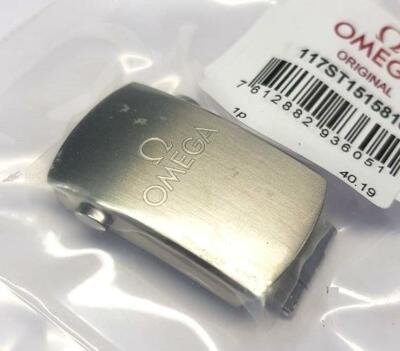
Clasp mechanism: Genuine Omega uses push-button deployant clasps with varying features depending on the model. The Seamaster has a diver extension fold-out. The Aqua Terra has a simpler deployant. The Speedmaster has a traditional folding clasp. Clone clasps replicate these mechanisms but with slightly looser tolerances — the buttons may require marginally more force, and the Omega logo engraving is typically shallower.
Bracelet sizing: most clone bracelets come with full links and a half-link (sometimes two half-links). Remove full links to get close to your wrist size, then fine-tune with half-links. The clasp’s micro-adjust (on models that have it) provides another 2-3mm of range. Check the size guide for model-specific bracelet widths and weights.
In This Article
Rubber Strap: The Comfort Upgrade
The omega rubber strap replica transforms the wearing experience. Weight drops by 40-60 grams, the watch sits closer to the wrist, and comfort in hot weather improves dramatically. Genuine Omega offers rubber straps on the Seamaster 300M, Planet Ocean, and Aqua Terra — and clone versions are available for all three.
Factory-supplied rubber straps are decent but not exceptional. The rubber compound is slightly stiffer than genuine Omega’s proprietary rubber, and the texture pattern (genuine has a specific diamond or wave pattern depending on model) is reproduced at about 80% accuracy. The deployant clasp on factory rubber straps works well mechanically but feels lighter than the bracelet version.
Aftermarket upgrade option: Generic aftermarket rubber straps in 20mm width (Seamaster, Speedmaster) or 21mm (Planet Ocean) cost $15-30 and offer comparable quality to factory straps. Some aftermarket options use softer silicone that’s more comfortable than the factory rubber. Just make sure to buy the correct width — a 21mm strap forced into 20mm lugs will splay and look wrong.
Comfort Tip: New rubber straps are stiff and take 1-2 weeks of daily wear to soften and conform to your wrist shape. Don’t judge rubber strap comfort on day one — it improves significantly after the break-in period. The Seamaster 300M on rubber is one of the most comfortable dive watch experiences in the clone market.
NATO Strap: The Bond Look
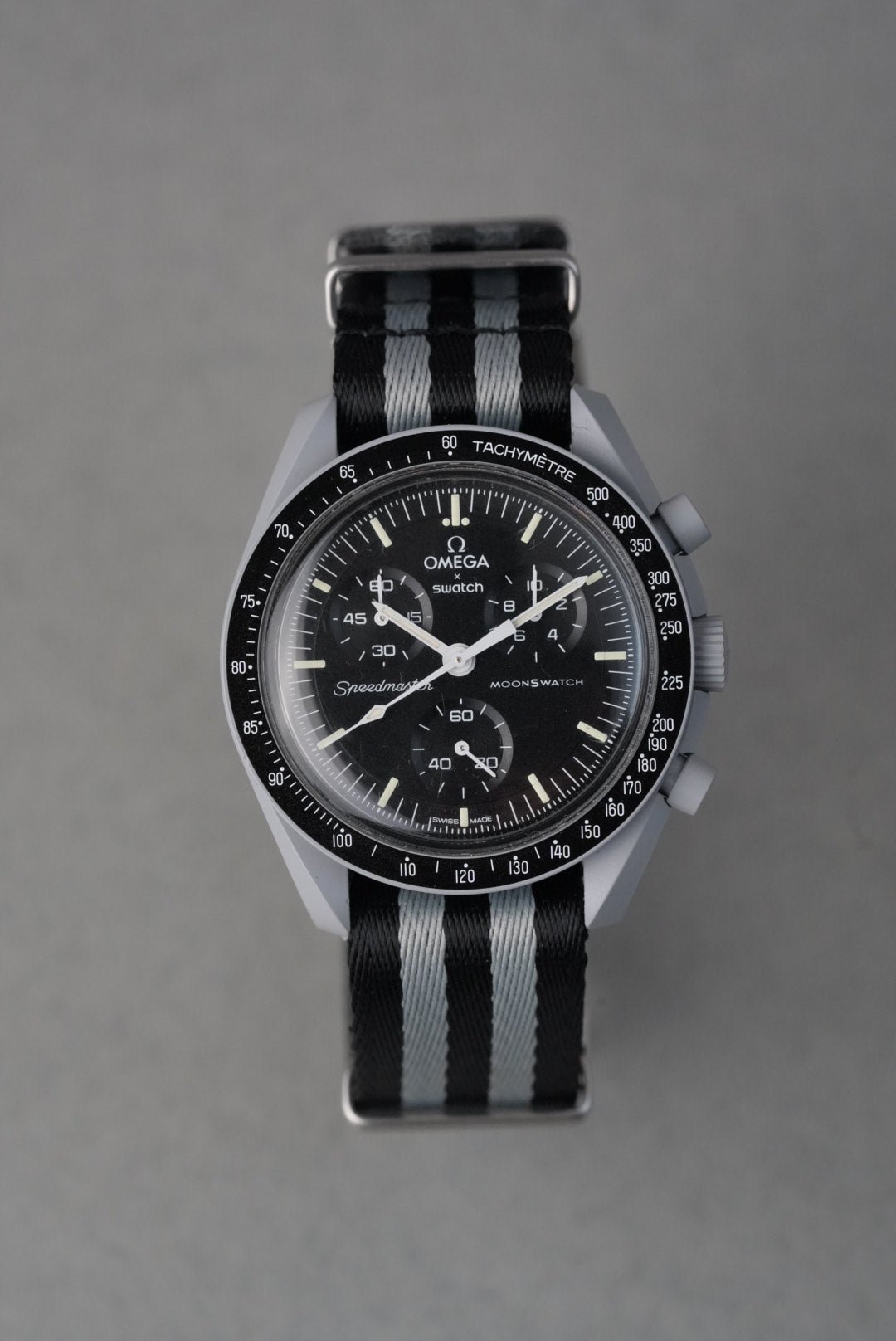
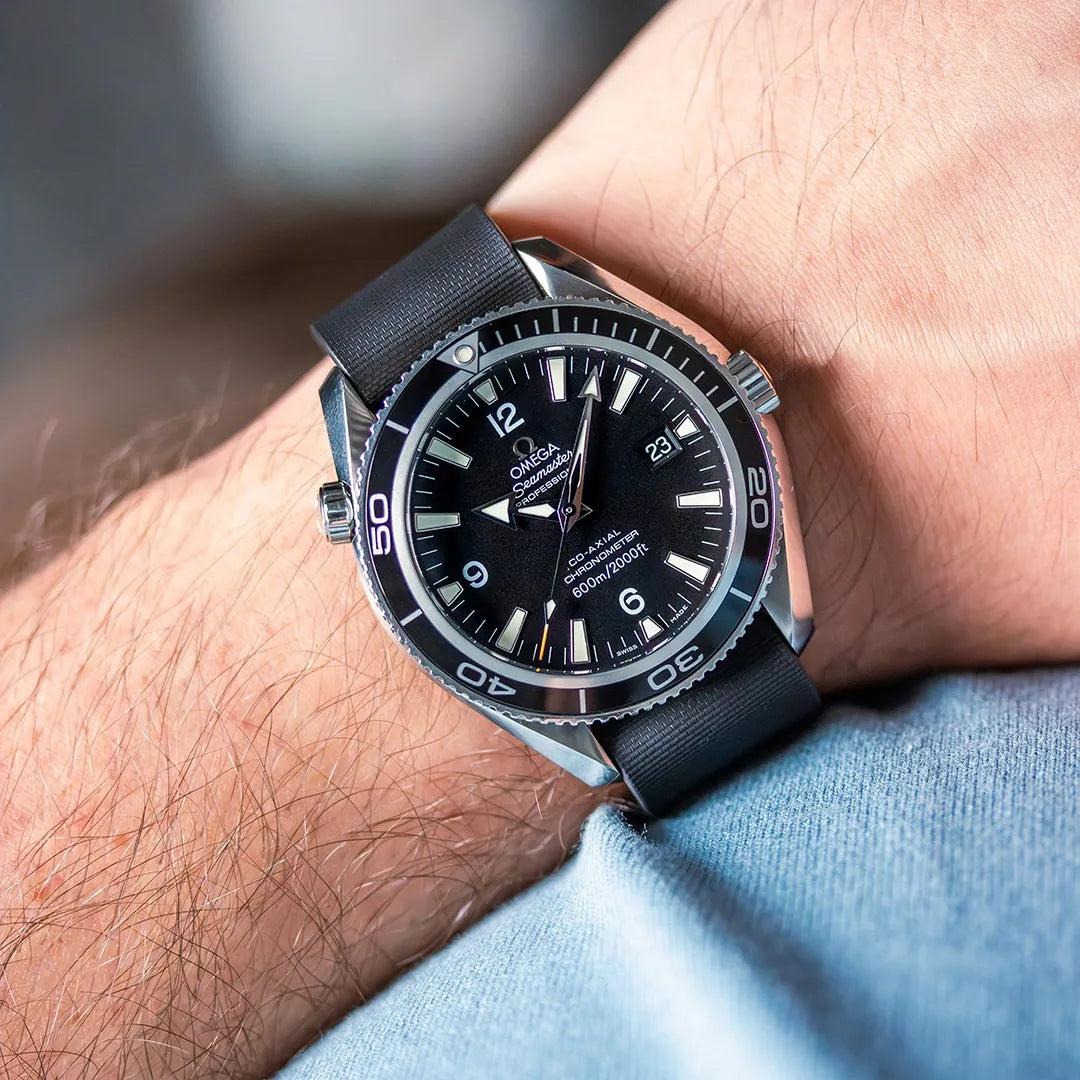
The omega nato strap replica became famous because of one scene — Daniel Craig in No Time to Die wearing a Seamaster on a grey/black striped NATO. That single image turned the NATO strap from a military utility accessory into a fashion statement. The NTTD replica is often ordered specifically for the NATO strap look.
Factory-supplied NATO straps are… fine. They’re nylon, the correct width, and the hardware is stainless steel. But they lack the density and texture of genuine Omega NATOs, which use a tightly woven polyamide that feels almost silk-like. Factory NATO straps feel more like standard military-grade nylon — functional but rougher.
This is where aftermarket NATO straps shine. High-quality seatbelt-weave NATOs from aftermarket sellers cost $10-25 and come in hundreds of color combinations. The Bond-style grey/black stripe, olive green, classic navy blue, or even custom patterns — all available in the correct 20mm width for most Omega models. Hardware options include brushed or polished stainless steel.
One important note: NATO straps add about 1.5mm of height to the watch because the strap passes under the caseback. On a thick watch like the Planet Ocean (16.1mm), this makes it 17.5mm total — uncomfortably tall. NATOs work best on thinner watches: Speedmaster (13.6mm + 1.5mm = 15.1mm — manageable) and Aqua Terra (12.3mm + 1.5mm = 13.8mm — fine).
Leather Strap: Dress Watch Essential
Leather is the default for the De Ville collection and an option for the Aqua Terra. Factory-supplied leather straps use genuine cowhide — not bonded or synthetic — but the quality is mid-grade. They’ll stiffen over 6-12 months rather than developing the supple patina of high-quality leather.
This is the single biggest upgrade opportunity for any omega replica strap. A $40-60 aftermarket Italian leather strap transforms a clone De Ville or Aqua Terra from “good” to “excellent.” Here’s what to look for:
- Material: Full-grain calfskin or alligator-grain calfskin. Avoid “genuine leather” labels — that’s the lowest quality grade despite the reassuring name
- Padding: Padded straps (3-4mm thick at center, tapering to 2mm at the buckle end) give a luxurious wrist feel. Flat straps look cheaper
- Stitching: Contrast stitching (cream thread on brown leather) adds visual interest. Tone-on-tone stitching is more subtle
- Buckle: Replace the factory pin buckle with a deployant clasp ($15-20 aftermarket). Deployants are easier to put on one-handed and distribute strap wear more evenly
Leather + Watch Pairings: Dark brown leather with silver dial De Ville = classic. Black leather with blue dial Aqua Terra = modern. Cognac/tan leather with champagne dial = vintage warmth. Navy leather with white dial = summer. Build a small leather strap collection ($120 for 3 quality straps) and you effectively have 3 different watches.
Mesh Bracelet: The Vintage Alternative
Genuine Omega offers mesh bracelets on some Seamaster and vintage reissue models. Clone mesh bracelets exist but aren’t common as factory options. Aftermarket mesh bracelets in 20mm are widely available ($15-35) and work well with the Seamaster and Speedmaster.
Mesh bracelets offer a unique wearing experience: they conform to the wrist shape, provide excellent ventilation in hot weather, and have a vintage-inspired look that pairs beautifully with the Speedmaster’s retro DNA. The adjustable clasp lets you fine-tune fit without removing links.
Quality varies significantly in aftermarket mesh. Look for: shark mesh (interlocking flat links) over milanese mesh (woven wire) for durability. Brushed finish over polished for a more authentic vintage look. And ensure the clasp has a safety catch — cheap mesh clasps open accidentally under pressure, and losing a watch to a failed clasp is a real risk.
Changing Straps: Quick-Release vs Spring Bars
An important practical detail for this omega replica strap guide. Genuine modern Omegas (Seamaster, Aqua Terra, some De Villes) use quick-release spring bars — a small lever on the spring bar lets you swap straps without tools in 30 seconds. Clone versions sometimes include quick-release bars, but not always. Check before buying.
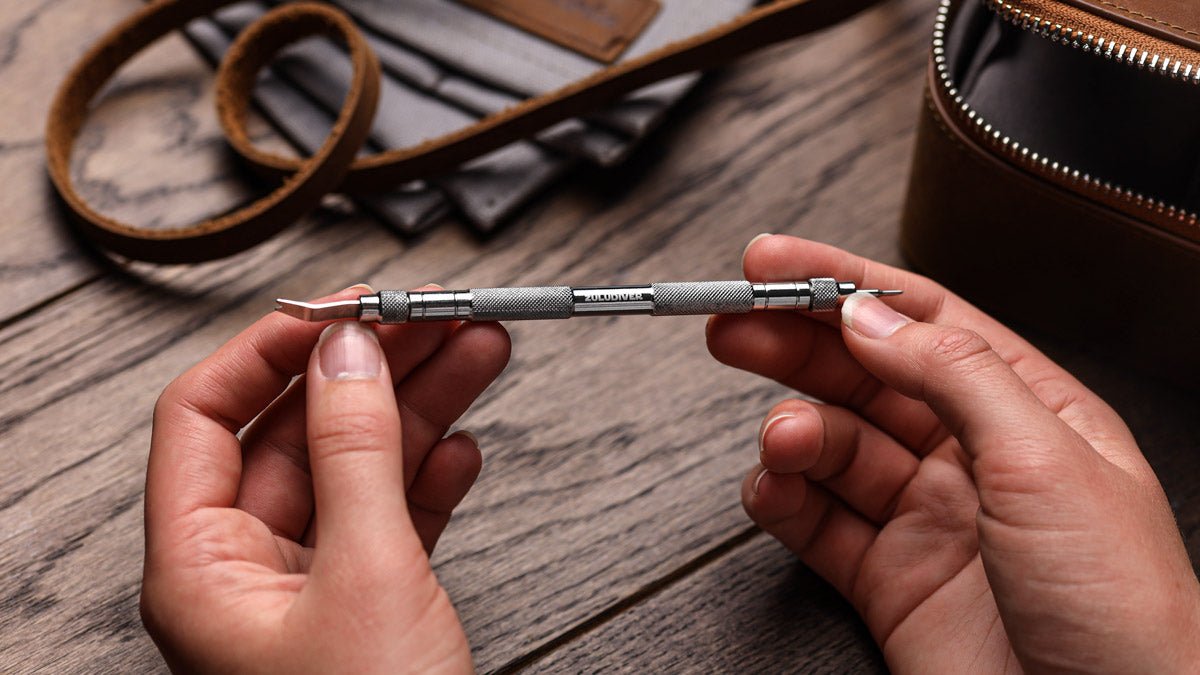
If your clone has standard spring bars (no lever), you’ll need a spring bar tool ($5-8) to change straps. It’s a 2-minute job once you’ve done it a few times. Watch a YouTube tutorial first — the technique involves pressing the spring bar tip inward while angling the strap out of the lug channel. Be careful not to scratch the lug surface.
Note the Constellation’s integrated bracelet — you cannot change straps on this model. This is by design (both genuine and clone). If strap versatility matters to you, the Constellation is the wrong choice. Every other Omega model supports strap swaps.
Best Strap for Each Model
Here are our strap recommendations for each omega replica model:
Strap Care and Maintenance
Different materials need different care. Quick reference for keeping your replica omega watch band looking fresh:
Steel bracelet: Rinse with warm water monthly to clear skin oils and debris from between links. Use a soft toothbrush for stubborn grime. Ultrasonic cleaners ($30 desktop units) work wonders — 3 minutes in the ultrasonic and the bracelet looks factory-new. Don’t use harsh chemicals.
Rubber strap: Rinse with fresh water after sweat or saltwater exposure. Avoid leaving rubber in direct sunlight for extended periods — UV degrades the material and causes cracking. Store out of sunlight when not wearing. Replace rubber straps every 18-24 months with daily wear — they stretch and lose shape over time.
NATO strap: Machine washable. Throw it in a mesh laundry bag, cold wash, air dry. NATO straps are the easiest to maintain — they’re essentially just woven nylon. Replace when the hardware tarnishes or the weave loosens, typically every 12-18 months of daily wear.
Leather strap: Never submerge in water. Wipe with a damp cloth if dirty. Apply leather conditioner every 2-3 months to prevent cracking. Rotate between multiple leather straps to extend lifespan — letting leather “rest” between wears allows moisture to evaporate and fibers to recover. Replace when the strap shows permanent creasing or the stitching frays, typically 12-24 months.
FAQ: Omega Replica Straps
Can I put a genuine Omega strap on my clone?
In most cases, yes — if the lug width matches. Genuine Omega straps use standard spring bar dimensions. A genuine 20mm Omega rubber strap will fit a clone Seamaster 300M. The cost is significant though ($200-400 for genuine Omega straps), which defeats the purpose for most clone owners. Aftermarket straps at $15-60 deliver 80% of the quality at 10% of the cost.
What’s the best aftermarket NATO strap brand?
For omega nato strap replica quality, look for seatbelt-weave NATOs. Several brands offer excellent 20mm options in the $15-25 range. The key quality indicators: tight weave, consistent color, polished or brushed hardware, and a secure buckle. Avoid the cheapest $3-5 NATOs — the hardware bends and the nylon frays within weeks.
How do I know my clone’s lug width?
Measure between the lugs with a ruler or caliper. Most Omega clones use 20mm (Seamaster, Speedmaster, De Ville) or 21-22mm (Planet Ocean). When in doubt, measure. A strap that’s 1mm too narrow will slide around and look sloppy. A strap 1mm too wide won’t fit at all. The size guide lists lug widths for every model.
Is the factory rubber strap worth it over aftermarket?
Factory omega rubber strap replica versions are adequate but not special. They cost nothing extra (usually included as an option), but the rubber compound is stiffer and the texture is less refined than genuine. A $20-30 aftermarket rubber strap in the correct width often feels better after break-in. If you order the watch on bracelet, buying an aftermarket rubber strap separately gives you the best of both worlds.
How many straps should I own for one watch?
Three is the sweet spot. The factory bracelet/strap for default wear, one aftermarket option for a different look (NATO, rubber, or leather depending on what the factory version isn’t), and one dressy alternative for formal occasions. Total aftermarket investment: $40-80. This gives you a three-watch wardrobe with one watch head.
Final Thoughts
The omega replica strap is the most underrated upgrade in the clone hobby. People spend weeks researching which factory to buy from, which movement to choose, which dial color matches their wardrobe — and then accept whatever generic strap comes in the box. A $30-50 aftermarket strap investment changes the entire character of the watch. Steel for the office, rubber for weekends, NATO for travel, leather for evenings. Build a small strap collection and you effectively multiply your watch wardrobe without buying another timepiece. That’s the smartest money you can spend after the watch itself.