
Omega Swiss Replicas: What “Swiss Made” Actually Means in the Clone World
Omega swiss replicas — the term gets thrown around by sellers as if it means something specific. “Swiss grade.” “Swiss quality.” “Swiss-made clone.” None of these phrases have a standardized meaning. There’s no governing body certifying clone watches as “Swiss.” But the terms aren’t meaningless either. They point to real differences in movement quality, material sourcing, and manufacturing standards. Let me cut through the marketing fog and explain what you’re actually paying for when someone sells you a “Swiss” Omega clone.
The Real “Swiss Made” Label
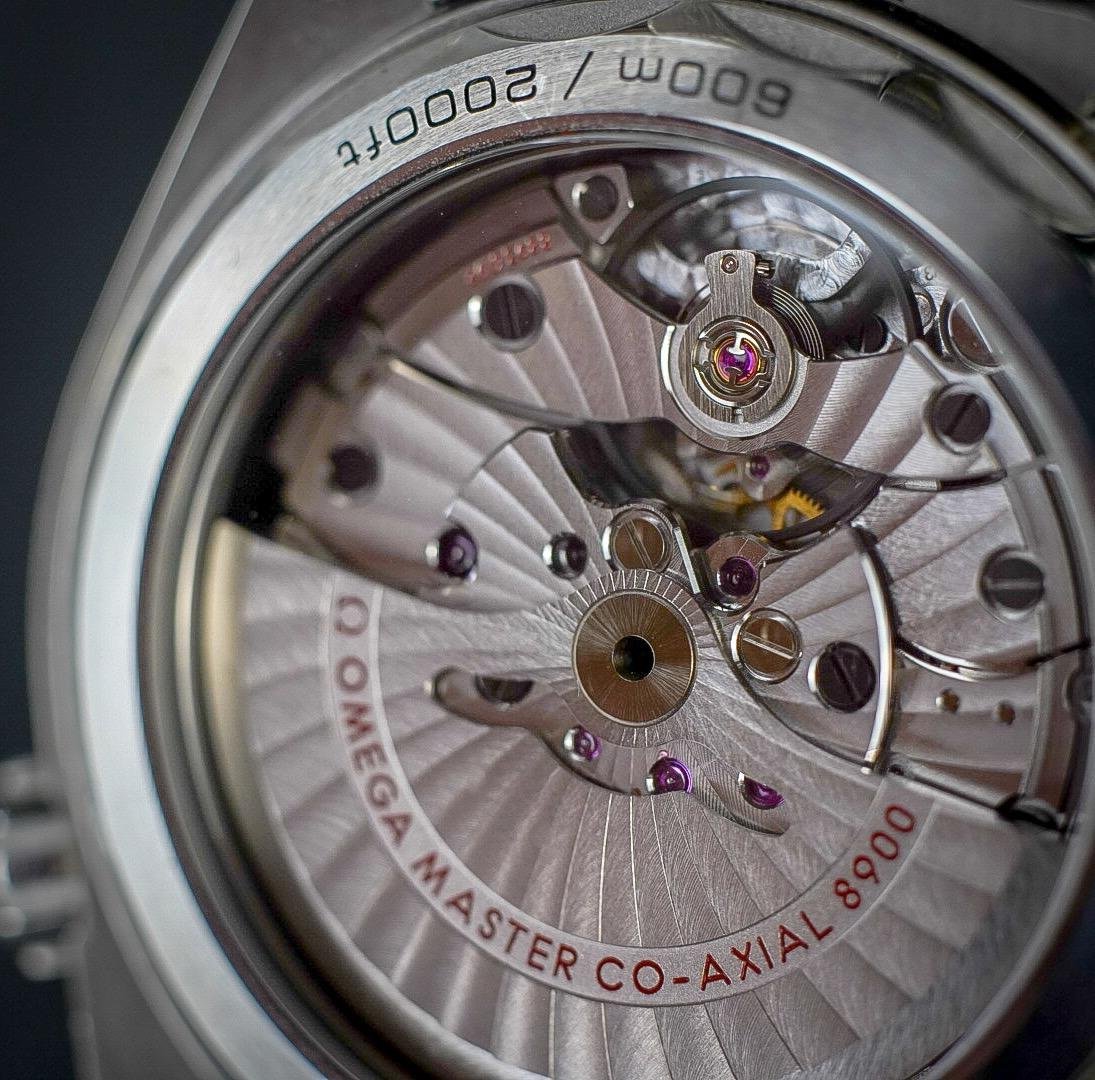
On a genuine Omega, “Swiss Made” at 6 o’clock means something legally specific. Since 2017, Swiss watchmaking law requires that at least 60% of production costs occur in Switzerland, the movement must be Swiss, assembly must happen in Switzerland, and final inspection must be Swiss. The genuine Cal.8800 is designed, assembled, and tested in Omega’s Biel factory. Every component meets METAS certification standards.
No clone watch is Swiss Made. Not one. No factory in China — where all clones are produced — has any Swiss certification, Swiss components, or Swiss assembly. The “Swiss Made” text printed on clone dials is purely cosmetic. It’s there because the genuine watch has it, and the clone replicates the dial appearance. Understanding this is step one in decoding omega swiss replicas marketing.
Fact: “Swiss Made” on a clone dial = same as the brand logo. It’s part of the visual replication. It does NOT indicate Swiss origin, Swiss components, or Swiss quality standards. Anyone selling a clone as “actually Swiss Made” is lying.
The Quality Hierarchy: Japanese → Asian → Swiss-Grade
When sellers use terms like “Swiss grade” or “Swiss quality,” they’re referencing an informal quality hierarchy that the clone industry uses internally. It’s not about geographic origin — it’s about manufacturing standard:
The “Swiss grade” tier is where omega swiss replicas live. These aren’t Swiss-made, but they’re engineered to match Swiss performance standards: ±5-8 sec/day (genuine METAS is ±2 sec/day), 48+ hours power reserve (genuine is 55-60h), and hacking seconds. The DD8800 and DD8900 represent the highest tier of clone movement engineering — and they’re manufactured entirely in China using Chinese-made components.
In This Article
- The Real “Swiss Made” Label
- The Quality Hierarchy: Japanese → Asian → Swiss-Grade
- How VSF Reached “Swiss Grade” Without Swiss Parts
- COSC Accuracy: What Clone Watches Actually Achieve
- The Miyota Question: Why Cheap Omegas Use Japanese Movements
- Material Quality: Beyond the Movement
- The “Swiss Movement” Myth
- How to Identify Quality Tier Before Buying
- Is “Swiss Grade” Worth the Premium?
- FAQ: Omega Swiss Replicas
How VSF Reached “Swiss Grade” Without Swiss Parts
This is the fascinating engineering story behind omega swiss replicas. VSF (the leading Omega clone factory) didn’t just copy the visual appearance of the Cal.8800 — they reverse-engineered its operating principles. The genuine co-axial escapement uses two escape wheels operating on different levels, reducing friction compared to a standard Swiss lever. VSF’s DD8800 replicates this dual-wheel concept using Chinese-made components machined to tighter tolerances than typical Asian movements.
The result: an omega swiss clone that achieves “Swiss grade” performance through manufacturing precision rather than Swiss component sourcing. Key engineering achievements include:
- Balance wheel: Glucydur-type alloy with four adjustable regulator screws. Not genuine Glucydur but functionally equivalent — provides temperature stability and fine regulation
- Hairspring: Silicon-coated alloy on some batches. Not genuine Omega Si14 silicon, but provides improved anti-magnetic properties over standard Nivarox
- Bridges: Properly decorated with arabesque Geneva wave pattern. CNC-machined then hand-polished on top-tier batches
- Rotor: Full-weight tungsten rotor with Omega Ω engraving. Weight and decoration match genuine appearance through caseback
None of these components are Swiss. All are manufactured in Guangdong province. But the engineering standard — the tolerances, the finishing, the functional accuracy — approaches Swiss levels. That’s what “Swiss grade” actually means when people discuss the clone movement hierarchy.
COSC Accuracy: What Clone Watches Actually Achieve
COSC (Contrôle Officiel Suisse des Chronomètres) certification requires ±4 sec/day average across multiple positions and temperatures. Genuine Omega exceeds COSC with METAS certification: ±0 to +5 sec/day after magnetic exposure. How do omega swiss replicas compare?
The swiss made omega replica gets close to COSC standards in daily rate but falls behind in positional variation, temperature stability, and magnetic resistance. In practical terms: if you set the time on Sunday, a genuine Omega is within 15 seconds by the following Sunday. A Swiss-grade clone is within 50-60 seconds. Both are perfectly usable — you might adjust the time once a week instead of once a month.
Reality Check: Most people check their phone for the time and use their watch as an accessory. ±8 sec/day means the clone loses about a minute per week. That’s invisible in daily life. The accuracy gap between genuine and “Swiss grade” clone matters to watchmakers and horological purists. It doesn’t matter to someone wearing the watch to the office.
The Miyota Question: Why Cheap Omegas Use Japanese Movements
Budget Omega clones almost always use Miyota movements. The Miyota 8215 is reliable, widely available, and has a proven track record. But it’s obviously not an Omega caliber. The rotor shape is different, the bridge layout is wrong, the decoration is generic Japanese industrial finishing.
For solid-caseback models (Seamaster Pro with hippocampus caseback), a Miyota inside doesn’t affect the external experience. You can’t see it. But for any model with a transparent caseback — Aqua Terra, some Constellation references, De Ville Hour Vision — a Miyota is immediately visible as wrong. The authentication tests will catch it instantly through the crystal.
This is the core argument for omega swiss replicas over budget clones: the movement must visually match the genuine caliber for any watch with a display caseback. And since modern Omega increasingly uses transparent casebacks across its lineup, the DD8800/DD8900 has become essential for a convincing clone — not optional.
Material Quality: Beyond the Movement
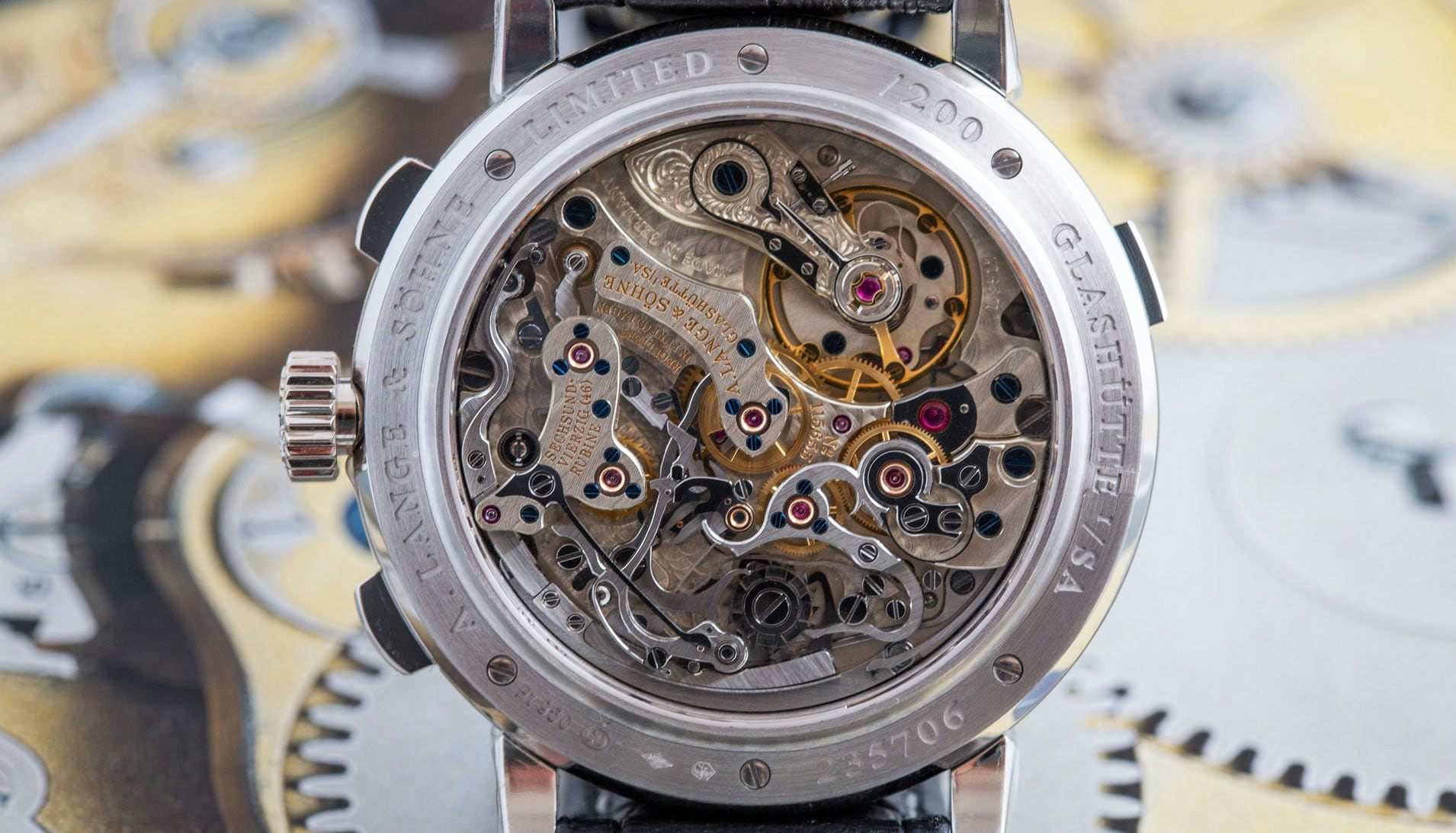
“Swiss grade” applies to more than just the movement. The case, bracelet, dial, and crystal all have quality tiers. Here’s what separates omega swiss clone materials from lower-tier alternatives:
Steel: Swiss-grade clones use 316L austenitic stainless steel — the same alloy family used in genuine Omega (genuine uses 316L or proprietary alloys like Canopus Gold). Budget clones use 316 or even 304 grade steel. The difference: 316L has added molybdenum for better corrosion resistance and a slightly whiter appearance. On the wrist, 316L feels marginally heavier and develops a richer patina over years of wear.
Crystal: Swiss-grade clones use genuine sapphire crystal with anti-reflective (AR) coating on the interior surface. Budget clones sometimes use mineral glass or sapphire without AR coating. The difference: mineral glass scratches easily. Sapphire without AR coating shows visible reflections that make the dial look washed out in sunlight. Proper AR-coated sapphire is clear and distortion-free — matching genuine performance.
Ceramic: Swiss-grade clone ceramic bezels use actual ceramic (zirconium oxide) — the same material as genuine. It’s scratch-resistant, UV-stable, and dimensionally precise. Budget clones use painted aluminum inserts that scratch within weeks. The ceramic-vs-aluminum difference is the single biggest visual tell between tiers — one stays perfect for years, the other deteriorates immediately.
The “Swiss Movement” Myth
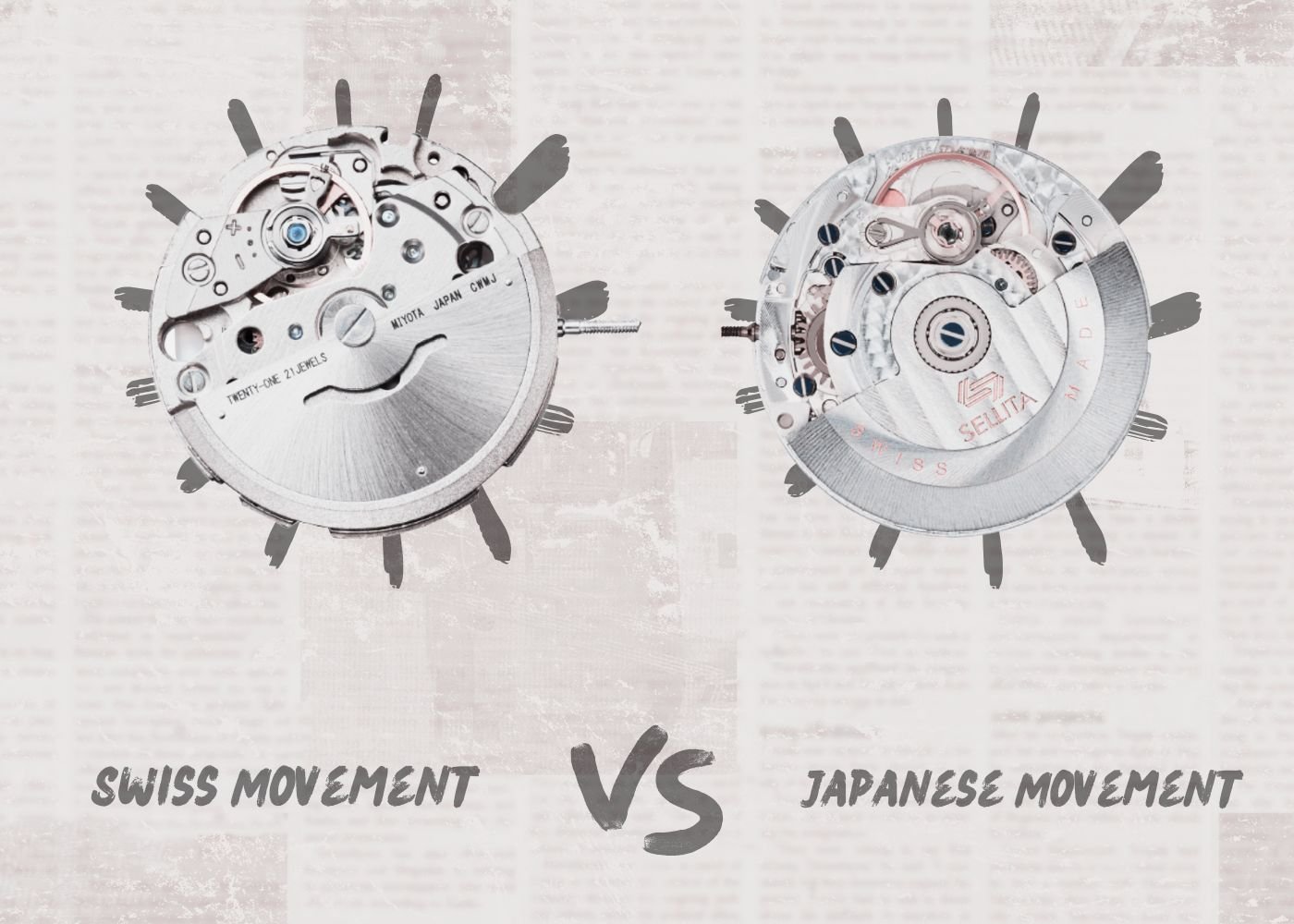
Some sellers advertise omega swiss movement replica watches — claiming an actual Swiss ETA or Sellita movement inside. Is this real? Technically possible but extremely rare and expensive.
A genuine Swiss ETA 2824-2 movement is expensive at wholesale. Some clone builders do install them in high-end “franken” builds — but this pushes the final product well above standard clone territory and isn’t common in factory production. When a seller claims “Swiss movement” at a standard clone tier, they’re almost certainly using a Chinese-made movement with Swiss-style finishing, not an actual Swiss-origin caliber.
More importantly, an ETA 2824 inside an Omega case is wrong. The genuine Omega Cal.8800 looks nothing like an ETA 2824. Different bridge layout, different rotor, different screw patterns. If your watch has a transparent caseback and an ETA inside, any watch person will immediately notice the mismatch. For the best Omega replicas, the DD8800 clone is actually more correct than a genuine Swiss ETA because it visually replicates the actual Omega caliber.
How to Identify Quality Tier Before Buying
Since the term “Swiss grade” isn’t standardized, how do you know what you’re actually getting with omega swiss replicas? These five indicators help:
- Movement identification: Ask specifically: “Which movement? DD8800, DD8900, Miyota, or Sea-Gull?” If the seller can’t name the specific caliber, they’re likely selling a budget piece with a generic movement
- QC photos: Reputable sellers provide quality control photos of YOUR specific watch before shipping. If they refuse or send generic stock photos, walk away
- Caseback photo: Request a caseback photo. The movement decoration should match reference images of the DD8800/DD8900. Generic Asian finishing = not Swiss grade
- Weight specification: Ask for the weight. Swiss-grade clones using 316L steel match genuine weight within 5-10 grams. Significantly lighter = lower grade steel or hollow construction
- Crystal scratch test: After receiving, try scratching the crystal with a steel key. Sapphire won’t scratch. Mineral glass will. This test is instant and definitive. The genuine vs replica comparison covers more distinguishing details
Red Flag: Any seller using terms like “1:1 Swiss,” “AAA+ Swiss quality,” or “genuine Swiss mechanism” is using marketing language designed to obscure, not inform. The trustworthy sellers name specific movements (DD8800, DD8900) and specific factories (VSF, ORF, SMF). Vague quality claims are a warning sign.
Is “Swiss Grade” Worth the Premium?
A Miyota-based Omega clone sits in the budget tier. A Swiss-grade omega swiss clone with DD8800 sits in the premium tier — roughly three times the investment. Is that premium justified?
For solid-caseback models (some Speedmasters, some Seamasters): it depends on how much you care about accuracy and power reserve. The Miyota is a reliable movement that’ll run for years. The DD8800 is more accurate and visually correct inside, but you can’t see it through a solid caseback. Here, it’s a performance upgrade without a visual one.
For transparent-caseback models (Aqua Terra, Constellation, De Ville, newer Seamasters): the premium is mandatory. A Miyota visible through the caseback immediately reveals the watch as a budget clone. The DD8800 visible through the caseback looks like a genuine Omega caliber. This is a binary distinction — convincing or obviously wrong. No middle ground.
My recommendation: always choose Swiss-grade for transparent casebacks. For solid casebacks, Swiss-grade is still worth it for the accuracy and power reserve improvements, but the gap is smaller. The factory comparison breaks down these quality tiers by specific model.
FAQ: Omega Swiss Replicas
Are any Omega clones actually made in Switzerland?
No. All clone watches — every single one, regardless of marketing claims — are manufactured in China, primarily in Guangdong province. The “Swiss Made” text on clone dials is part of the visual replication, not a statement of origin. Any seller claiming otherwise is misleading you.
What does “Swiss grade” actually guarantee?
Nothing — it’s an informal industry term without legal or technical certification. In practice, it signals the top tier: clone co-axial movement (DD8800/DD8900), 316L steel, sapphire crystal with AR coating, and ceramic bezel. But there’s no independent body verifying “Swiss grade” claims. You’re relying on factory reputation and community reviews.
Can a watchmaker tell if my clone has a “Swiss grade” movement?
An experienced watchmaker can identify the DD8800 as a clone within seconds of opening the caseback — the bridge screw patterns, finishing quality, and specific component details differ from genuine Cal.8800. What they’ll also notice is whether it’s a quality clone (DD8800) or a cheap one (Miyota dressed up). The quality tier is obvious to professionals.
Is a Swiss ETA better than a clone co-axial?
For reliability and serviceability: the ETA 2824 is proven over 40+ years and any watchmaker can service it. For visual accuracy: the DD8800 wins because it looks like the genuine Omega caliber through the caseback. An ETA inside an Omega case is a mismatch. Choose based on priority: longevity (ETA) or visual correctness (DD8800).
How long does a “Swiss grade” clone movement last?
With normal daily wear and no extreme conditions: 3-5 years before a service is recommended. The DD8800 uses quality bearings and properly hardened steel components. After a service (clean, oil, regulate at an independent watchmaker), another 3-5 years is realistic. Total lifespan with periodic servicing: 10+ years. Similar to a genuine ETA movement’s lifecycle.
Final Word
Omega swiss replicas occupy a specific quality tier — the highest available in the clone market. They’re not Swiss-made, and claiming otherwise is dishonest. But they achieve a manufacturing standard that approaches Swiss performance through Chinese engineering and precision manufacturing. The DD8800 clone co-axial movement, 316L steel construction, sapphire crystal, and ceramic bezels deliver an experience that the previous generation of clones couldn’t match. Understand the terms, ignore the marketing hype, and judge the watch by its specific movement name and factory of origin — that’s where truth lives in the omega swiss clone world.